Exclusive discounts on premium auto parts!

The Evolution of the Mini Cooper: From British Icon to German Engineering Marvel
6/26/20252 min read
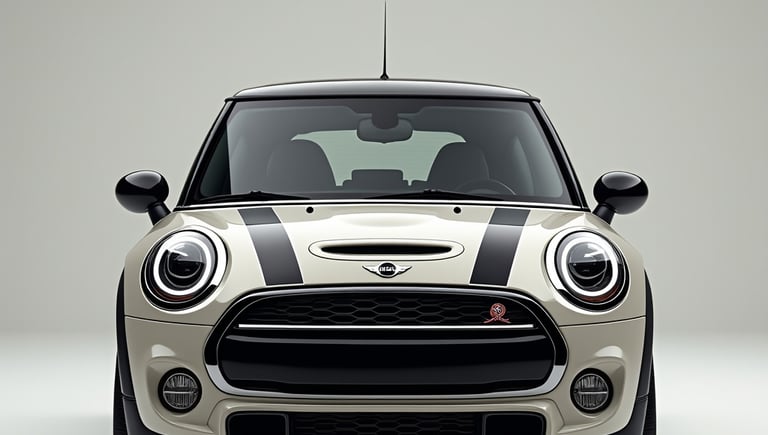
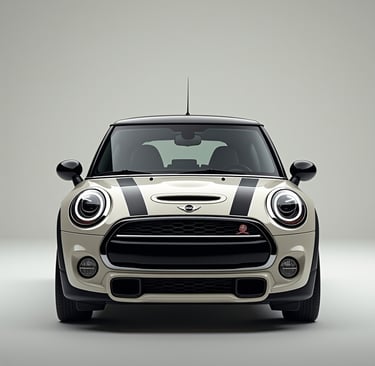
A Brief History of the Mini Cooper
The Mini Cooper, a name that resonates with car enthusiasts and casual drivers alike, boasts a rich history that traces back to the 1960s. Originally designed by Sir Alec Issigonis, the Mini was introduced by the British Motor Corporation (BMC) in 1959 as a compact, affordable car that appealed to the masses. Its innovative design, featuring a transverse engine and front-wheel drive, quickly caught the attention of consumers and allowed for maximum space efficiency.
Mini Cooper: The Birth of a Legend
The Mini Cooper brand established itself through motorsport success, particularly in the Monte Carlo Rally. The modifications made by John Cooper, an automotive designer, led to the creation of the iconic Mini Cooper S, which became a symbol of performance and agility on the road. The distinctive styling and go-kart-like handling brought the Mini into the limelight, making it not just a car, but a cultural phenomenon during the 1960s. The vehicle embodied the spirit of the British automotive industry while also enhancing its significance on the international stage.
The Transition to German Ownership
As the years progressed, the Mini faced challenges that led to changes in ownership. In 1994, the Morris Motors brand, which included the Mini, was acquired by the German automotive giant BMW. Under BMW’s stewardship, the Mini underwent significant transformations, merging British charm with German engineering precision. The new era began with the launch of the modern Mini in 2001, which retained the classic design cues while integrating contemporary technology and safety features. This transition marked a pivotal point in the Mini’s history, redefining its image without losing its iconic status.
The shift to German management not only ensured a fresh perspective on engineering but also set the stage for global expansion. The modern Mini has since been produced in various formats, including a four-door variant and crossover models, appealing to a broader audience worldwide. BMW's commitment to maintaining the heritage of the Mini while enhancing performance and reliability led to the vehicle’s resurgence in popularity, further solidifying its place in automotive history.
In conclusion, the Mini Cooper's journey from a treasured British brand to a modern German-owned marvel illustrates the dynamic nature of the automotive industry. It reflects how innovation and strategic ownership can revitalize a classic brand while retaining its essence. As we look toward the future, the Mini's enchanting heritage continues to inspire both nostalgic fans and a new generation of drivers, ensuring its legacy endures even further. Whether it’s a classic Mini from the 60s or the latest model produced under BMW, the spirit of the Mini Cooper lives on, a testament to its resilience and adaptability in an ever-evolving market.


Quality
Your source for premium German auto spare parts.
call us
Support
+971585844226
© 2025. All rights reserved.